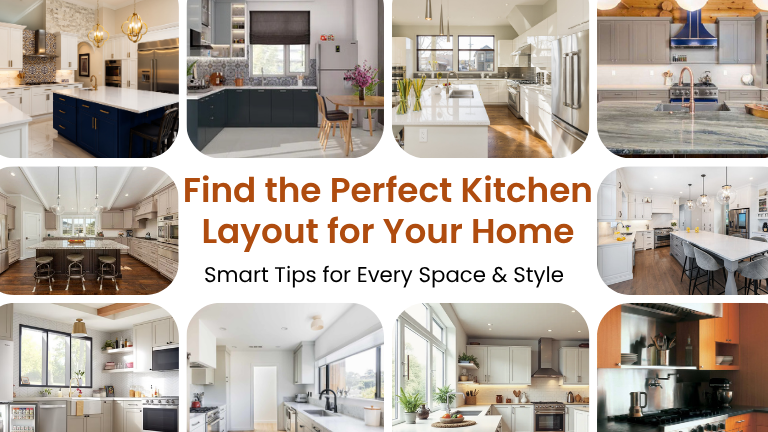
Zoning Your Kitchen Layout: Create a Smarter Workflow
The heart of every well‑designed kitchen lies not just in its finishes or appliances—but in how well it supports daily life. When your kitchen is thoughtfully zoned, each task flows naturally from one area to the next, cutting down unnecessary steps and creating a more enjoyable cooking experience. In this article, we’ll explore how to design an ergonomic kitchen layout using clearly defined kitchen zones, including cooking zone, cleaning zone, and storage zone. You’ll learn how to arrange these areas and configure them for maximum efficiency in any space.
Why Kitchen Zoning Matters
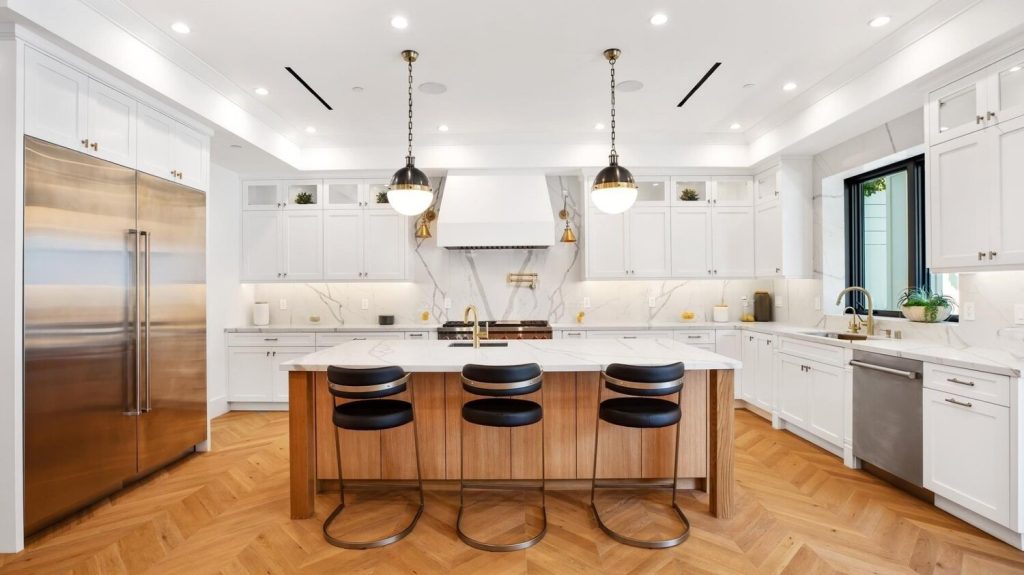
Modern home life demands multitasking—cooking while helping kids with homework, entertaining while prepping dinner, or keeping pets out of traffic. A well-planned smart kitchen layout addresses all of this by:
- Minimizing movement and wasted steps
- Placing items where you naturally need them
- Creating safe, spacious zones for simultaneous tasks
- Promoting intuitive organization and cleanliness
This approach results in improved ergonomics, smoother day-to-day operation, and a kitchen that truly supports your lifestyle.
Section 1: The Four Core Zones in a Kitchen
Most ergonomic kitchen designs center around four principal kitchen zones:
Storage Zone – Includes pantry, fridge, cupboards, and utensil walls

Prep Zone – Countertop space for slicing, mixing, and prepping ingredients

Cooking Zone – Stove, cooktop, oven, and nearby small tools or pots

Cleaning Zone – Sink, dishwasher, trash, dish storage

In larger kitchens you may also incorporate zones such as a baking station, coffee station, or bar area. The secret to efficiency is keeping these zones compact but clearly separated so you can flow between tasks with minimal overlap and obstruction.
Section 2: Ergonomic Kitchen Design Principles
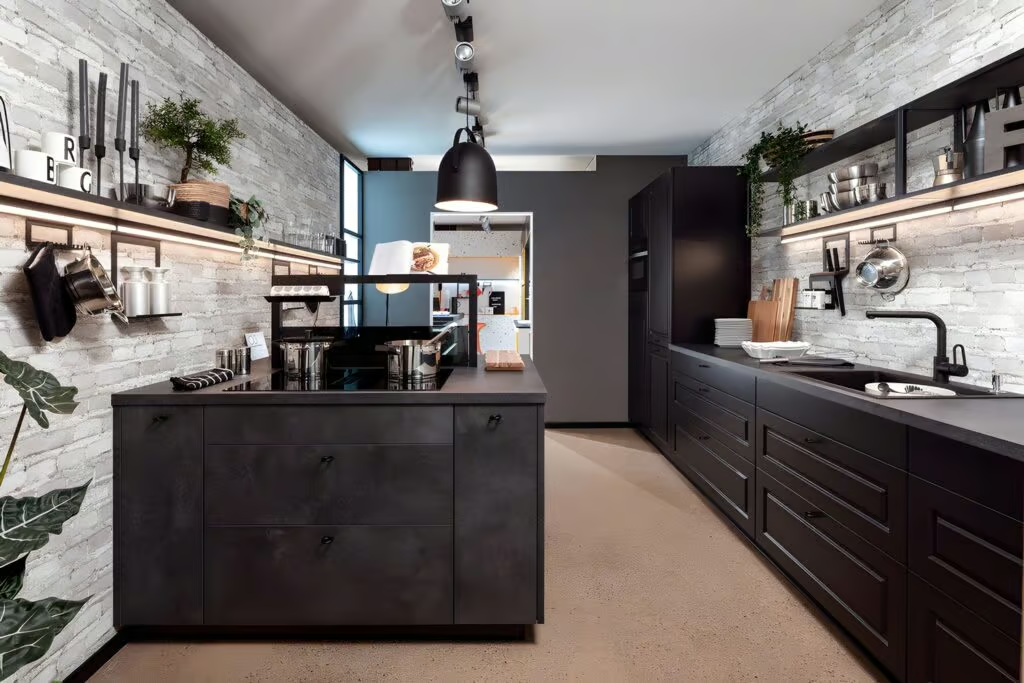
To improve comfort and safety, apply these ergonomic guidelines while zoning:
- Placement of heavy items: Store frequently used tools (pots, pans, knives) between shoulder and knee height.

- Avoid twisting and reaching: Keep key items accessible and in logical proximity to where they’ll be used.

- Optimal counter height: Standard is 36″, but consider 34″ for bake-focused zones or 42″ for bar prep areas.

- Minimize cross-traffic: Walkways between zones should be at least 36–42″ wide, especially in cooking zones to prevent collisions.

Section 3: Designing Your Smart Kitchen Layout
Step 1: Map Your Work Triangle Within Zones

Create a layout with the sink (cleaning zone), stove (cooking zone), and fridge/pantry (storage zone) forming a compact, unobstructed triangle. Aim for 4–9 feet between each zone for efficient cooking zone, cleaning zone, and storage zone interaction.
Step 2: Anchor the Prep Zone

Place ample countertop space between your cooking and cleaning zones. Ideally, 30–36″ of continuous counter between these zones allows for prep, landing space for pots, and tool placement.
Step 3: Cluster Secondary Tools Nearby

Tools like mixers, food processors, baking supplies, or coffee stations should live near their associated zone: baking tools in the prep zone; coffee gear near breakfast prep, etc.
Section 4: How Each Zone Functions
Cooking Zone
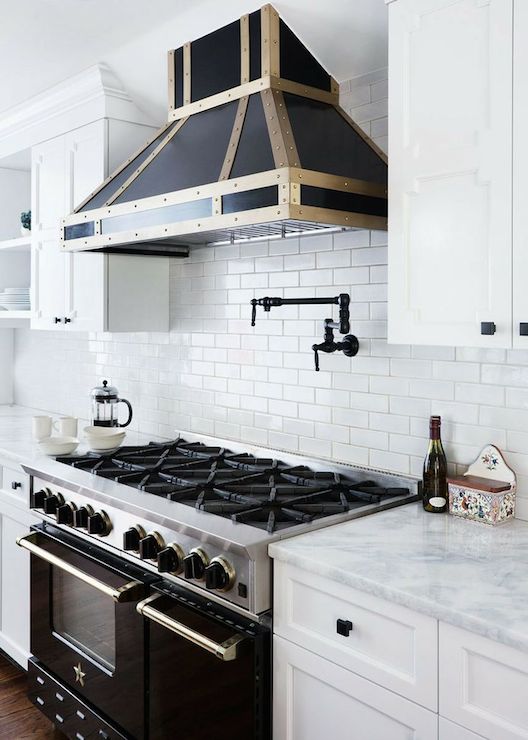
- Contains cooktop, oven, range hood, and heating tools.

- Place spice racks, utensils, pot fillers, and pan storage nearby.

- Provide countertop space on either side of cooktop for ingredient placement and cooling pans.

Cleaning Zone
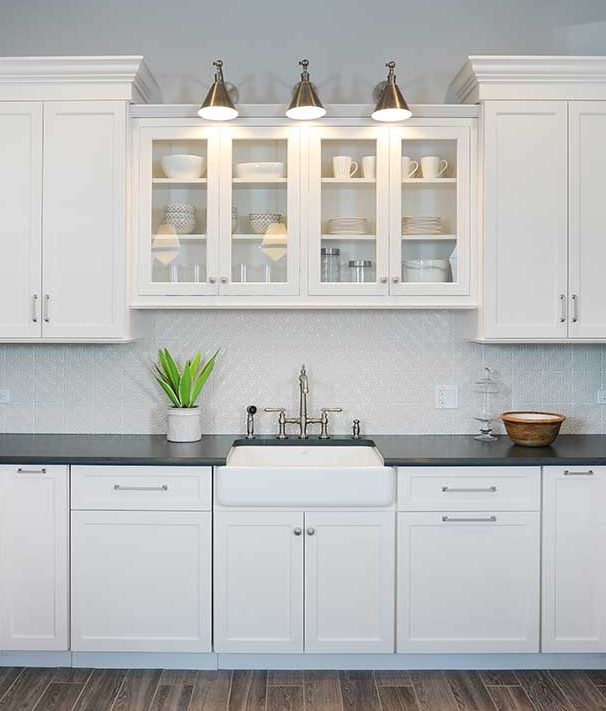
- Sink and dishwasher should be adjacent or within a toe-grasp.

- Trash and recyclables should be near the sink or drying rack.

- If possible, a drip drying or towel dispenser on the side helps maintain order.

Storage Zone
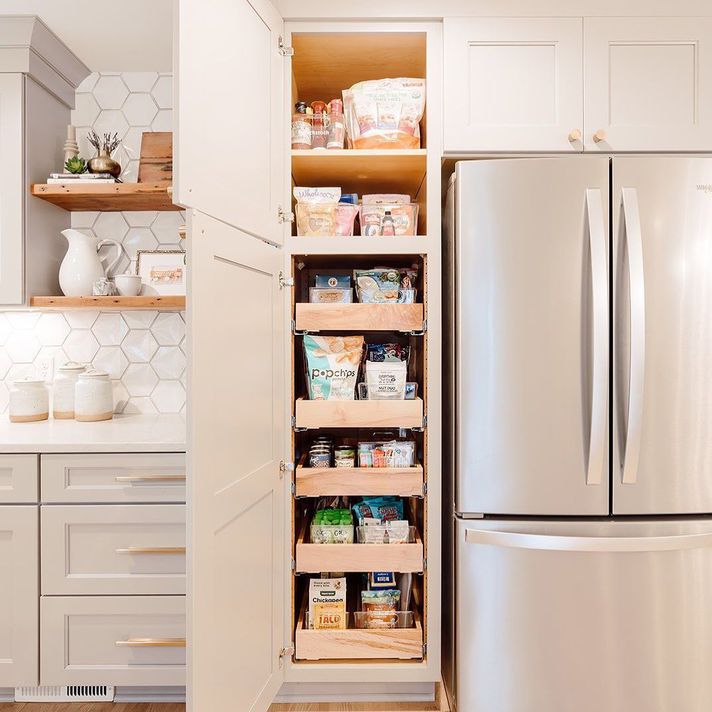
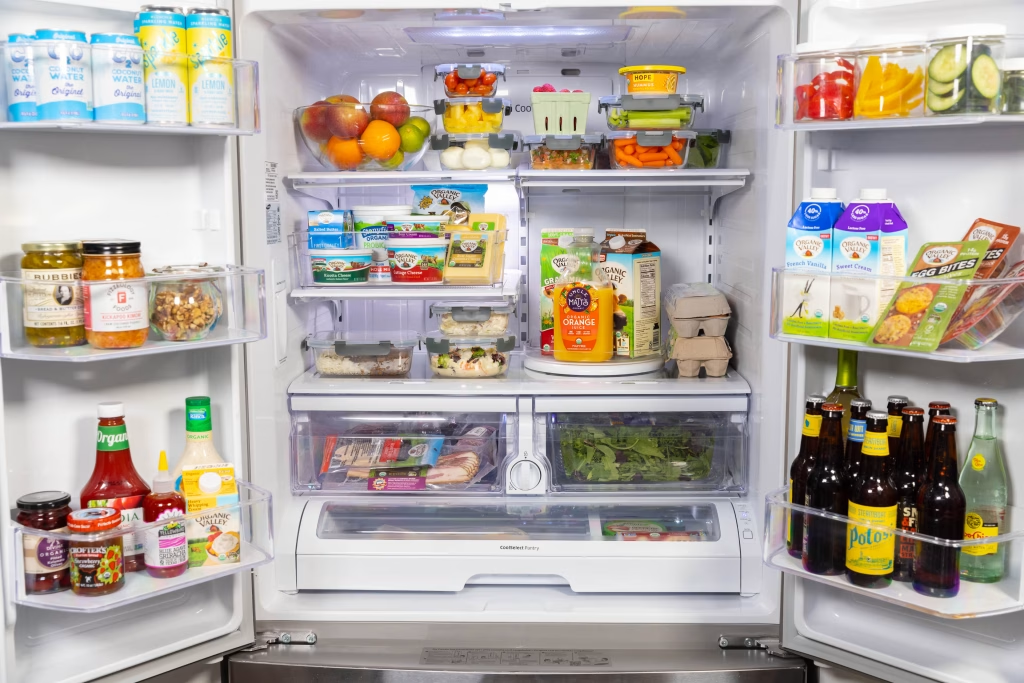
- Fridge should be accessible for morning drinks or snack grabs without walking through cooking space.
- Pantry or cabinet organization should group items by frequency and type—cans, cereals, baking goods, etc.

- Drawers just outside cooking zone should hold utensils, lids, foils.

Prep Zone
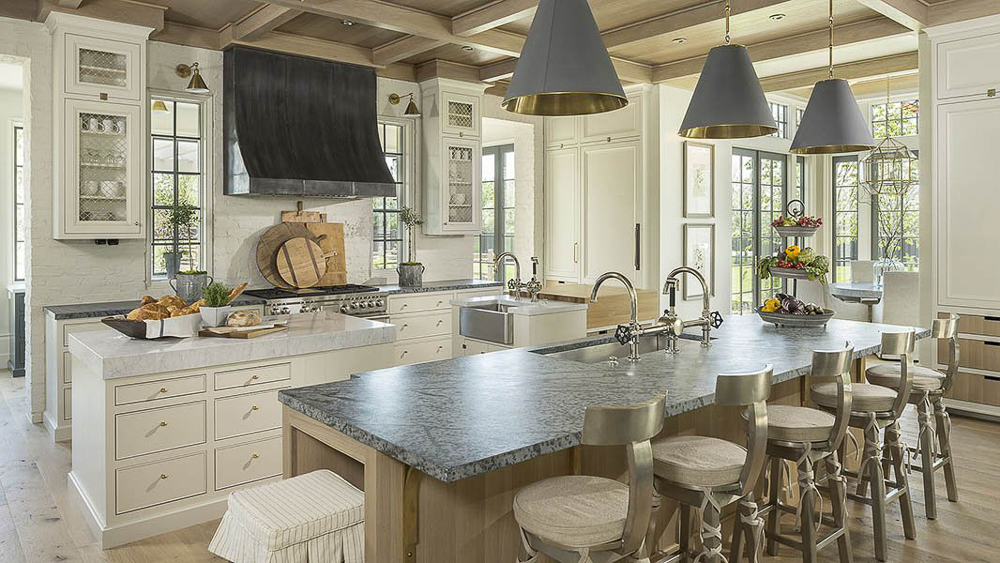
- Should connect cleaning zone and cooking zone with clear countertop space.

- Include cutting boards, mixing bowls, tool drawers underneath, and perhaps prep sink or near trash.

- Task lighting above is vital for safety and visibility.

Section 5: Advanced Zoning for Expanded Kitchens

Bigger kitchens can benefit from adding zones like:
- Baking station: Lower counter height, marble or quartz countertop, storage drawers just for baking pans and tools.

- Coffee bar / beverage zone: Dedicated area with cabinetry for mugs, coffee machine, kettle, and small fridge. It can live near the fridge but distinct from the cooking flow.

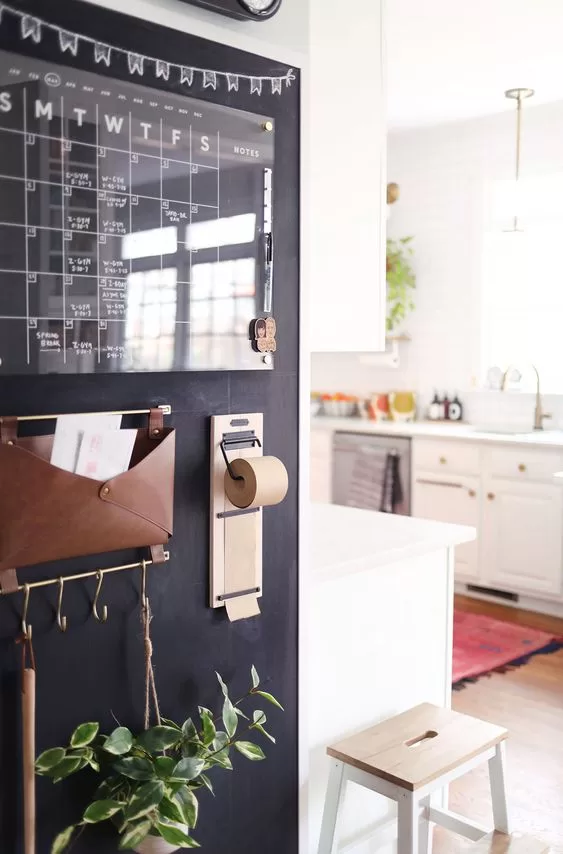
- Family command center: A small nook off the main layout with message board, charge ports, and storage for keys or mail.
Section 6: Smart Kitchen Layout Tips & Gadgets
Integrate tech and organization for modern efficiency:
- Pull-out trash bins installed near cleanup zone

- Drawer inserts for organizing cooking utensils or mixing tools

- Vertical pot racks, rail-mounted spice holders, pegboards for quick access tools

- Touchless faucets to reduce backsplash mess

- Smart lighting (motion sensors, dimming) to adjust visibility by zone

- Smart appliance placement: Microwave drawers below countertop or warming drawer beneath fridge-freezer

Section 7: Small Kitchen Zoning Examples
Example A: One-Wall Kitchen with Minimal Footprint

If you have only one wall of cabinetry, you can still define zones by stacking them horizontally:
- Storage Zone: Vertical pantry + fridge at one end

- Cooking Zone: Induction cooktop installed at center

- Prep Zone: Counter between storage and cooking

- Cleaning Zone: Sink beside cooktop or off to the other side

Despite the linear design, this layout supports a mini work triangle and defined workflow.
Example B: Compact U-Shaped Kitchen

- One leg houses the cleaning zone (sink + small dishwasher).

- Opposite leg holds the cooking zone (cooktop + oven).

- Base of the U serves as a storage zone (fridge + pantry) with countertop prep space adjacent.
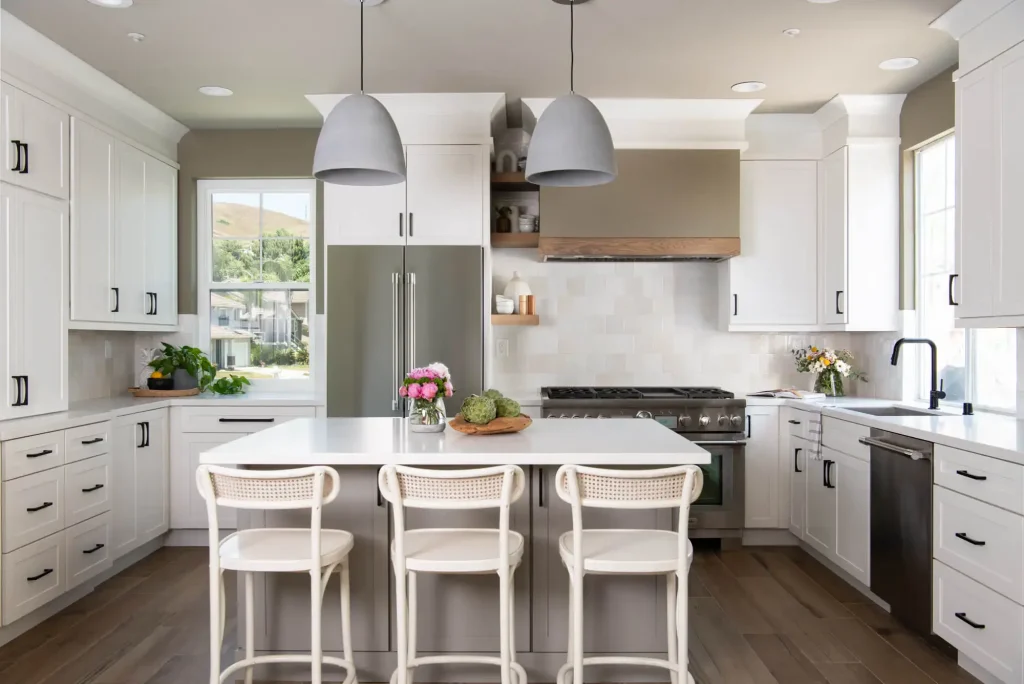
- This layout allows simultaneous usage by two cooks if zones are spaced at least 42″ apart.

Section 8: Common Zoning Mistakes & How to Avoid Them
| Mistake | Fix |
|---|---|
| Stove placed too far from prep surface | Keep at most one step away from prep counter |
| Dishwasher too far from trash/recycling | Keep trash pull-out near cleaning zone |
| Walkway through prep or stove zones | Re-route traffic or install barrier/breakfast peninsula |
| Patterned cabinetry that obscures zones | Use lighting or trim to visually separate and define each zone |
| Random storage | Group pantry items by type—baking goods, canned, snacks |
Section 9: Styling the Zones
Visual distinction helps functionality:
- Backsplash changes: Tile color or style shifts across zones

- Lighting layers: Pendants over prep/cooking, under-cabinets over storage

- Surface elevation: Raised bar top for serving within seating zone

- Zone-specific accessories: Spices above stove; cookbook ledges in prep zone; drying racks by sink

Section 10: Workflow Scenario: Preparing Dinner
Here’s how a smart layout streamlines cooking:
- Grab ingredients from fridge/pantry and place in prep zone.
- Wash or trim veggies at the sink.
- Bring them to the adjacent prep counter.
- Preheat the stove and place pots on cooktop.
- Use spice rack, oils, or utensils easily within arm’s reach.
- Transfer dirty dishes next to cleaning zone—drop into sink or dishwasher.
- Serve at nearby breakfast bar or adjacent dining space.
The workflow moves naturally across zones—clear steps, minimal backtracking.
Conclusion
Zoning transforms an ordinary kitchen into a space that works intuitively and beautifully. By carefully designing your smart kitchen layout with aligned kitchen zones, you’ll streamline cooking, reduce clutter, and elevate everyday tasks. The result is not only an ergonomic kitchen—but one that feels effortless and enjoyable to use.
Whether you’re designing a brand-new kitchen or optimizing your current one, intuitive zoning is the key to lasting efficiency and harmony. With clear cooking zone, cleaning zone, prep zone, and storage zone, your kitchen becomes a purpose-built space that adapts to your lifestyle—effortlessly.