

Tiny Nursery Layout Ideas That Actually Work
Setting up a nursery in a small space can feel like a game of Tetris—especially when you’re trying to fit everything you need for your baby without overwhelming the room. Whether you’re working with a compact apartment, a shared bedroom, or a cozy corner, this guide is packed with clever and creative “small nursery room ideas” to help you design a functional, stylish, and calming space.
Why Smart Layouts Matter in Small Nurseries

A tiny nursery doesn’t mean sacrificing style or comfort. With the right layout, you can maximize every inch of space, keep essentials organized, and create a peaceful environment for your baby. Thoughtful nursery planning also helps reduce clutter, streamline routines, and ensure safety.
1. Measure and Plan First
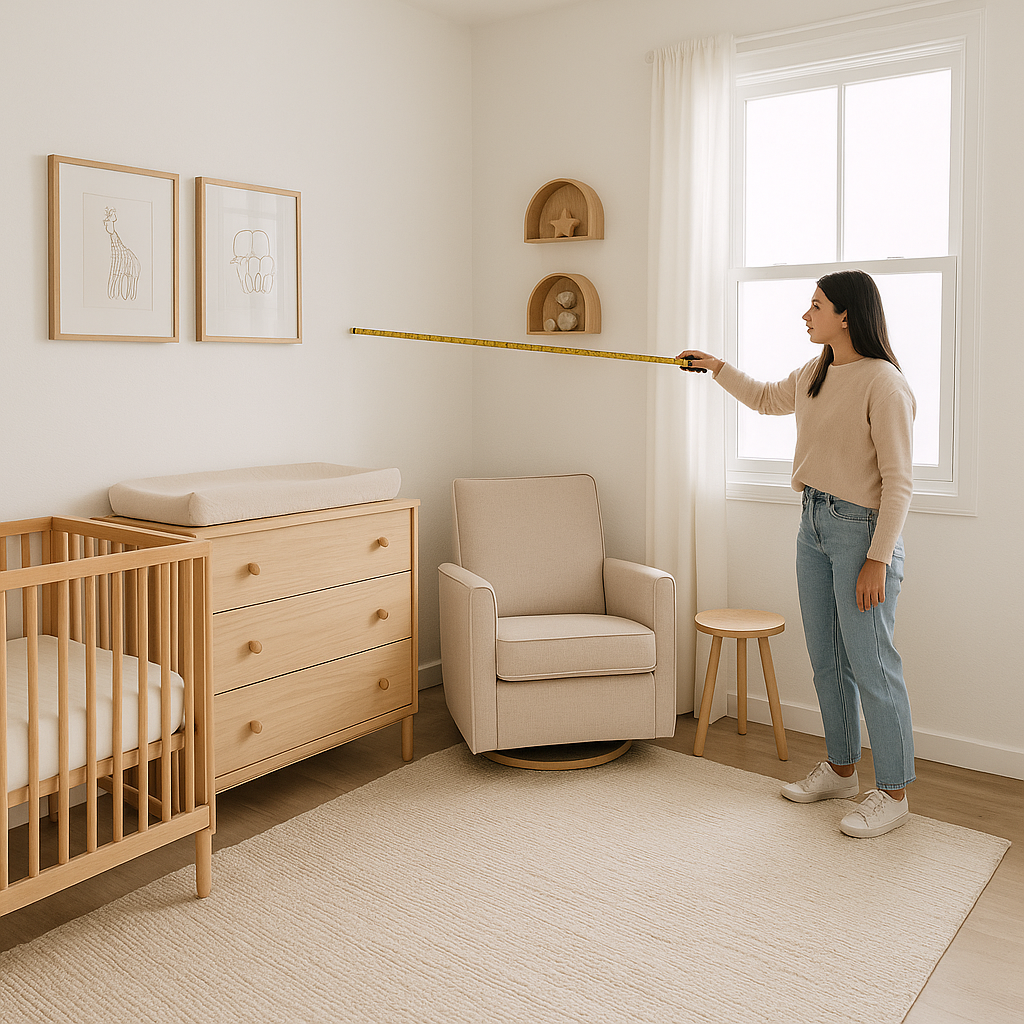
Before buying anything, measure your space. Create a simple floor plan using a room planner app or graph paper. Note windows, doors, outlets, and any architectural quirks. Knowing your dimensions prevents returns and layout mishaps.
Tips:
- Use painter’s tape to map out furniture placement on the floor.

- Focus on key pieces first: crib, dresser/changing station, and rocker.

2. Choose the Right Crib

Opt for space-saving cribs like:
- Mini Cribs: Perfect for tight spaces.

- Convertible Cribs: Grow with your child and save money.

- Foldable Cribs: Can be tucked away when not in use.

Place the crib along the longest wall or near a corner to leave more floor space open.
3. Combine Furniture Functions

Multifunctional pieces are game-changers:
- Dresser + Changing Table: Top a dresser with a changing pad.

- Storage Ottoman: Doubles as seating and storage.
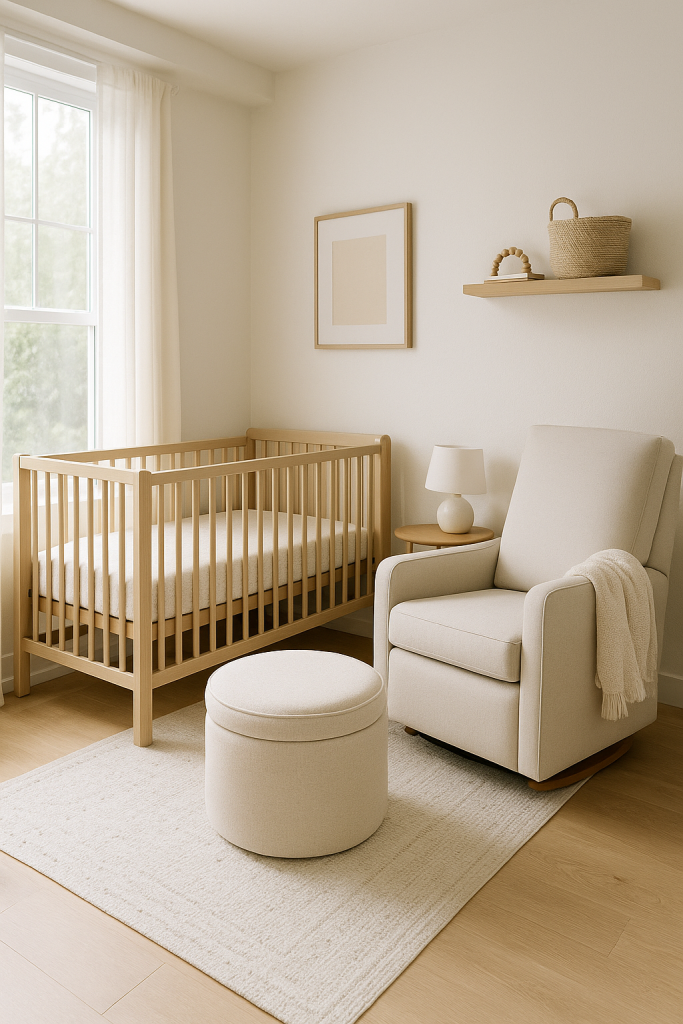
- Crib with Drawers: Utilize space underneath for linens and diapers.

4. Use Vertical Space

When floor space is limited, go up:
- Floating Shelves for books and decor.

- Wall Hooks & Peg Rails for bags and blankets.

- Over-the-Door Organizers for shoes, bibs, and wipes.

5. Create Functional Zones

Define areas for:
- Sleeping (crib)
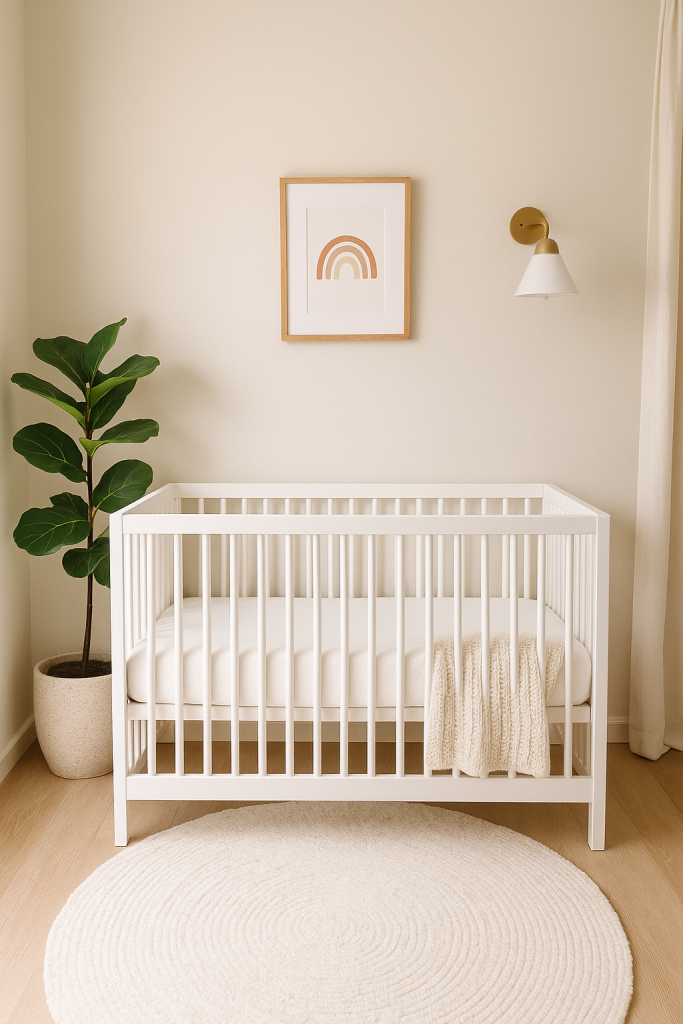
- Changing (dresser/changing pad)

- Feeding (rocker + lamp)

- Storage (shelves, bins)

Even small rooms benefit from thoughtful layout zoning. Use rugs, corner placement, or lighting to subtly separate spaces.
6. Keep It Light & Bright

Lighter colors reflect light and open up a room:
- Choose neutral or pastel walls (white, sage, light beige).

- Use sheer curtains to let in natural light.

- Add a mirror to bounce light and expand the feel.

7. Add Smart Storage Solutions

Storage is key in a small nursery. Try:
- Under-Crib Storage: Flat bins or drawers for extra clothes.

- Wall-Mounted Cubbies: Keep essentials handy.

- Stackable Baskets: Label for easy organization.

8. Select a Slim Rocker or Glider

Avoid bulky recliners. Instead, choose:
- Narrow gliders with straight arms.

- Rocking chairs with sleek wooden frames.

- Ones with side pockets for books, pacifiers, etc.

9. Use a Corner Crib Layout

Position the crib diagonally in a corner to:
- Open up wall space for other furniture.

- Create a soft visual focal point.

This layout is especially useful in square-shaped rooms.
10. Choose Minimalist Decor
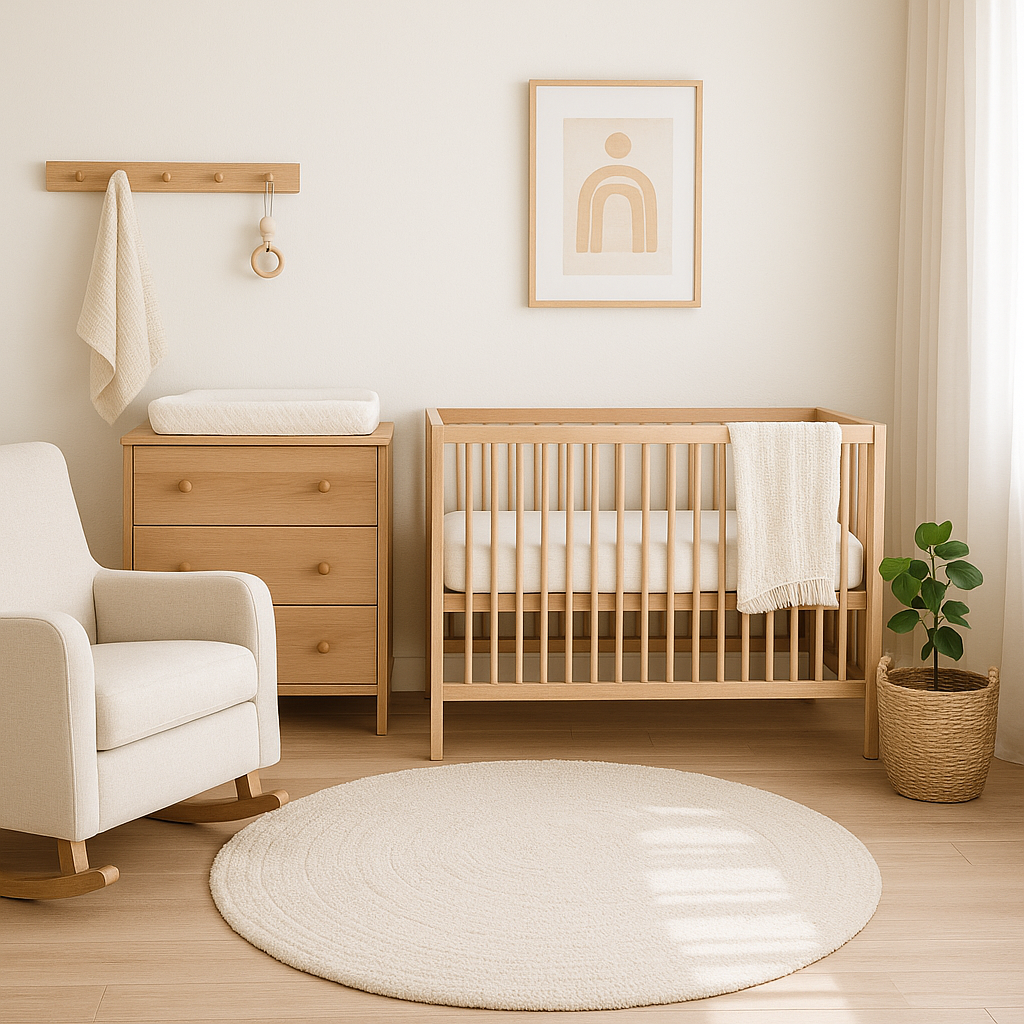
Small spaces can quickly feel cluttered. Keep decor:
- Simple and cohesive.

- Neutral-toned with a few pops of color.

- Functional (e.g., wall art doubles as hooks or shelves).

11. Hide Clutter With Curtains or Canopies

- Use a curtain over open shelving to hide items.

- Add a crib canopy for a whimsical, cozy vibe.

- Consider a fold-down wall desk for feeding station.

12. Utilize Closet Space Creatively

Even a small closet can be a goldmine:
- Install double rods to hang clothes

- Add drawer units or fabric bins below.

- Hang pocket organizers on the door.

13. Keep the Floor Clear

The less furniture on the floor, the more open the space feels:
- Choose wall-mounted lighting.

- Hang diaper caddies.

- Use floating furniture when possible.

14. Go for Soft, Layered Lighting

Avoid harsh ceiling lights:
- Use dimmable lamps, wall sconces, or fairy lights.

- Layer lights for different times (feeding, changing, relaxing).

15. Pick a Unisex Theme

A small space can still have style:
- Woodland animals, clouds, or celestial themes work well.

- Stick to a neutral color palette for long-term flexibility.

Bonus Tips
- Rotate outgrown items monthly to prevent clutter.

- Use a foldable laundry bin that tucks away.

- Add a mirror to visually expand the room.

- Track storage zones with labels for quick access.

Final Words
Designing a small nursery can be challenging—but also incredibly rewarding. With these “small nursery room ideas,” you can create a beautiful, functional layout that supports your baby’s needs and your peace of mind. Focus on what matters most: safety, comfort, and creating a space filled with love.


