

How to Style a Minimalist Living Room: The Ultimate Guide
Minimalism is more than just a design trend—it’s a lifestyle. In a world filled with clutter and distractions, a minimalist living room design offers calm, clarity, and timeless beauty. By focusing on simplicity, functionality, and intentional choices, you can transform your living space into a sanctuary that feels both stylish and soothing.
This minimalist living room guide will walk you through everything you need to know—from choosing the right neutral color palette to furniture styling and space-saving design solutions. Whether you’re redecorating a small apartment or upgrading a spacious home, these modern minimalist home decor tips will help you create a living room that’s clean, elegant, and effortlessly functional.
What Is Minimalist Living Room Design?

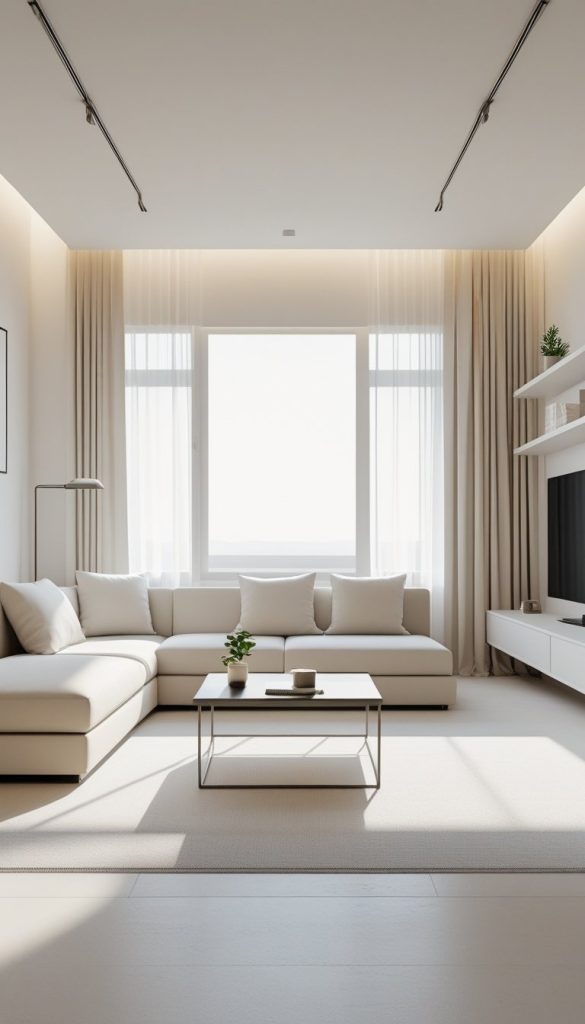
At its core, minimalist design is about “less is more.” It doesn’t mean your living room has to feel empty or cold—instead, it’s about curating every piece with intention. A minimalist living room design emphasizes:
- Clean lines and uncluttered spaces
- Neutral tones with subtle accents
- Functional, multipurpose furniture
- Natural light and openness
- Quality over quantity
The result is a space that feels calm, airy, and timeless.
Why Choose a Minimalist Living Room?
Minimalism isn’t just about aesthetics—it’s about improving your lifestyle. Here’s why more homeowners are embracing this approach:
- Stress reduction: A clutter-free room promotes mental clarity.
- Easy maintenance: Fewer items mean less cleaning and organizing.
- Timeless appeal: Minimalist interiors rarely go out of style.
- Functionality: Every item serves a purpose, maximizing usability.
- Adaptability: Minimalist spaces can easily evolve with trends.
Step 1: Start with a Neutral Color Palette

The foundation of any minimalist living room design is its color scheme. A neutral color palette creates a calm backdrop and allows furniture and decor to shine without overwhelming the space.
Popular Minimalist Colors
- White and off-white
- Soft grays
- Beige and taupe
- Muted earth tones (sand, clay, stone)
- Black accents for contrast
Pro Tip: Use one dominant neutral color for walls, a secondary neutral for furniture, and subtle accent tones in decor.
Step 2: Choose Functional Furniture

Furniture styling in a minimalist living room is about balance—pieces should be functional, comfortable, and aesthetically simple.
Key Furniture Choices
- Sofas: Low-profile, clean-lined sofas in neutral tones.
- Coffee tables: Sleek wood, glass, or stone designs.
- Storage units: Closed cabinets or floating shelves to hide clutter.
- Chairs: Accent chairs with slim silhouettes.
Space-Saving Design Tip: Opt for multipurpose furniture like ottomans with hidden storage or modular sectionals that adapt to your needs.
Step 3: Master Space-Saving Design

Minimalism thrives on openness. Even in small apartments, strategic space-saving design can make the living room feel larger and more functional.
Space-Saving Ideas
- Floating shelves: Keep floors clear while adding storage.
- Wall-mounted lighting: Replace bulky floor lamps.
- Nesting tables: Compact when not in use, versatile when needed.
- Hidden storage: Coffee tables or benches with compartments.
Pro Tip: Always leave breathing room between furniture pieces to enhance flow and openness.
Step 4: Prioritize Quality Over Quantity

A minimalist living room guide wouldn’t be complete without this principle: invest in fewer, better pieces. Instead of filling your space with trendy items, choose timeless furniture and decor that will last.
- Choose natural materials like wood, stone, and linen.
- Invest in a high-quality sofa—it’s the centerpiece of the room.
- Avoid excessive decor; let one or two statement pieces shine.
Step 5: Incorporate Natural Light

Lighting plays a huge role in modern minimalist home decor. Natural light enhances the airy, calming vibe of a minimalist living room.
Lighting Tips
- Use sheer curtains or blinds instead of heavy drapes.
- Position mirrors to reflect natural light.
- Add simple, streamlined light fixtures for evenings.
Step 6: Declutter with Intention

Minimalism isn’t about having nothing—it’s about keeping only what matters. Declutter your living room by:
- Removing duplicate or unused items.
- Limiting decor to a few meaningful pieces.
- Using concealed storage for daily essentials.
Rule of Thumb: If it doesn’t serve a purpose or bring joy, consider letting it go.
Step 7: Add Texture for Warmth

A common misconception is that minimalist living room design looks cold. The secret to avoiding this is layering textures.
Texture Ideas
- A chunky knit throw on a sleek sofa.
- A jute or wool rug under a coffee table.
- Linen cushions in monochrome tones.
- Wooden furniture paired with soft fabrics.
These subtle layers add warmth without cluttering the space.
Step 8: Use Art and Decor Sparingly

Minimalism doesn’t mean bare walls—it means thoughtful decor.
- Choose one large statement artwork instead of multiple small frames.
- Use sculptural vases or ceramics as focal points.
- Incorporate plants for a touch of greenery.
Pro Tip: Stick to decor that complements your neutral color palette to maintain harmony.
Step 9: Embrace Open Floor Plans

If possible, integrate your living room with other areas of the home. Open layouts enhance the sense of space and align with modern minimalist home decor principles.
- Use area rugs to define zones without adding walls.
- Keep furniture low and streamlined to avoid blocking sightlines.
- Maintain a consistent color palette across connected spaces.
Step 10: Personalize with Subtle Details

Minimalism doesn’t mean your living room should lack personality. The key is to personalize thoughtfully.
- Display a few travel souvenirs or family photos in sleek frames.
- Add a single bold accent color through cushions or a rug.
- Incorporate books or magazines neatly stacked on a coffee table.
Common Mistakes to Avoid in Minimalist Living Room Design
1.Over-decorating: Too many accessories defeat the purpose.

2.Ignoring comfort: Minimalism should be livable, not stiff.

3.Choosing the wrong colors: Bright or overly bold hues can overwhelm.

4.Blocking natural light: Heavy curtains or bulky furniture

Final Thoughts
Designing a minimalist living room is about so much more than following a trend—it’s about creating a space that supports your lifestyle and well-being. By focusing on a neutral color palette, prioritizing furniture styling that is both functional and beautiful, and incorporating smart space-saving design solutions, you can craft a living room that feels calm, uncluttered, and timeless.
Remember, minimalism doesn’t mean living without personality. It means being intentional with every choice—whether it’s a single statement artwork, a textured rug, or a carefully chosen piece of modern furniture. The goal is to design a space that feels open, inviting, and uniquely yours.
This minimalist living room guide shows that you don’t need excess decor to create a warm and welcoming home. Instead, by embracing modern minimalist home decor, you allow your living room to breathe, giving you a sanctuary where style and simplicity coexist in perfect harmony.


