

25 Modern Living Room Decor Ideas for Every Home: Stylish Inspiration
A modern living room balances comfort with clean design, making it both stylish and practical. Neutral colors, sleek furniture, and thoughtful details create a space that feels open and inviting without losing warmth. The best modern living rooms combine function and style so every detail works together to make daily life easier and more enjoyable.

Modern decor does not mean cold or plain. It often blends simple lines with layered textures, natural light, and personal touches. Whether the space is large or small, the right choices in color, furniture, and accessories can transform it into a room that feels fresh, timeless, and easy to live in.
Key Takeaways
- Modern style blends simplicity with comfort.
- Smart choices in color, furniture, and lighting shape the space.
- Small details and personal touches complete the design.
Defining Modern Living Room Style

Modern living rooms focus on function, clarity, and a sense of balance. They often combine streamlined furniture, open layouts, and subtle details that create a space that feels both practical and visually appealing.
Key Elements of Contemporary Design
A modern contemporary living room often uses a neutral base with accents of color or texture. Shades of white, gray, beige, and black set the tone, while bold hues appear in artwork, pillows, or rugs. This approach keeps the space calm but avoids looking flat.
Furniture usually has slim profiles and avoids heavy ornamentation. Sofas, chairs, and tables often feature smooth surfaces and simple shapes. Materials such as glass, metal, and light wood are common because they reinforce a clean and uncluttered look.
Lighting plays a key role. Recessed fixtures, slim floor lamps, and large windows help maximize brightness and highlight the room’s structure. Accessories are kept minimal, focusing on quality over quantity.
Popular Modern Living Room Layouts
Modern layouts often emphasize open space and flexibility. Instead of blocking sightlines, furniture is arranged to encourage movement and conversation. Sectionals or modular sofas are popular because they adapt to different seating needs without crowding the room.
Some layouts use zoning to divide large spaces into smaller areas. For example, a reading corner with an accent chair can sit across from a media wall, while a central seating group anchors the room. This method keeps the space functional without adding walls.
Coffee tables and side tables are often placed to maximize accessibility. In larger rooms, designers sometimes use two smaller tables instead of one oversized piece. This makes the layout more practical and balanced.
Incorporating Clean Lines and Geometric Patterns
Clean lines define modern living rooms. Straight edges on sofas, rectangular shelving, and square tables create order and simplicity. Rounded forms like curved chairs or circular rugs are occasionally added to soften the look without losing structure.
Geometric patterns appear in rugs, throw pillows, or wall art. Stripes, grids, and angular shapes add visual interest while staying consistent with the room’s streamlined style. These patterns work best when used sparingly so they enhance rather than overwhelm.
A mix of linear and geometric elements ensures the room feels modern but not cold. Pairing a sleek sofa with a patterned rug or a geometric light fixture adds depth while keeping the overall design cohesive.
Choosing the Perfect Color Palette

The right color palette sets the mood of a living room and guides how furniture, lighting, and decor come together. Neutral tones create balance, bold accents add energy, and earthy or jewel tones bring depth and richness.
Neutral Color Palettes for Timeless Appeal

A neutral color palette works well in both modern and traditional living rooms. Shades like soft greige, light gray, warm taupe, and crisp white provide a versatile foundation. These tones help a room feel open, calm, and adaptable to changing styles.
Layering different gray tones or mixing beige with off-white creates subtle contrast without overwhelming the space. Neutral walls also make it easier to update decor by swapping pillows, rugs, or artwork.
To prevent a neutral scheme from feeling flat, designers often add texture through wood, linen, or stone. Using matte and glossy finishes together also creates depth.
| Neutral Base | Accent Pairings | Effect |
|---|---|---|
| Light Gray | Yellow, Teal | Modern, cheerful |
| Greige | Navy, Blush | Classic, soft |
| Crisp White | Natural wood | Airy, Scandinavian |
Bold Accent Colors and Statement Walls

Bold accent colors give personality to a living room without requiring a full repaint. Navy blue, emerald green, mustard yellow, and coral are popular choices for creating a focal point. These hues work well on a single wall, in furniture upholstery, or through bold wallpaper.

A statement wall with deep tones or patterned wallpaper can define the seating area. Pairing bold shades with neutrals like gray or white keeps the room balanced.
Metallic finishes such as brass or copper complement strong colors and add sophistication. For example, navy with gold creates a classic look, while teal with copper feels modern.
Using bold accents in smaller items, like throw pillows or artwork, allows flexibility if tastes change.
Earthy and Jewel Tone Inspirations

An earthy color palette uses warm, natural shades like terracotta, sage green, and taupe. These tones bring a grounded, cozy feeling and pair well with organic materials such as leather, rattan, and wood.
Jewel tones like emerald, teal, and deep purple add richness and a sense of luxury. They work especially well in rooms with good natural light, where the depth of color can be fully appreciated.
Mixing earthy and jewel tones creates layered interest. For example, terracotta with emerald green feels both warm and refined. Mustard yellow with teal adds vibrancy without overwhelming the room.
When using darker jewel tones, lighter neutrals or natural textures help soften the look and keep the space inviting.
Furniture Selection and Arrangement
Choosing the right furniture involves balancing comfort, function, and style. Pieces that serve multiple purposes, fit the scale of the room, and highlight design accents create a space that feels intentional and practical.
Low-Profile Sofas and Functional Furniture

Low-profile sofas work well in modern living rooms because they create a clean line of sight. Their shorter backs keep the room feeling open, especially in smaller spaces or open-concept layouts. This design approach also highlights architectural details, such as exposed beams or large windows.
Functional furniture should allow for easy movement around the room. Sofas and chairs should not block walkways, and coffee tables should sit within comfortable reach. A good rule is leaving at least 18 inches of space between a sofa and a table.
Material choice also matters. Leather furniture, for example, offers durability and a timeless look, while fabric upholstery can soften the room. Pairing a low-profile sofa with slim side tables or a narrow console keeps the layout uncluttered and efficient.
Multi-Functional and Modular Pieces

Multi-functional furniture maximizes the use of space. Storage ottomans serve as footrests, extra seating, or hidden storage. Nesting tables can expand when guests arrive and tuck away when not needed.
Modular sofas are especially useful. They allow different configurations, such as L-shapes or U-shapes, depending on the room size and seating needs. This flexibility makes them ideal for both small apartments and larger family rooms.
For those who enjoy entertaining, lightweight stools or benches can be moved easily to create extra seating. In compact living rooms, foldable or stackable pieces help maintain a clean look without sacrificing function.
A simple checklist for multi-functional furniture:
- Storage + Seating: Ottomans, benches
- Flexible Layouts: Modular sofas, sectional pieces
- Compact Solutions: Nesting tables, stackable chairs
Statement Pieces and Accent Chairs

Statement pieces add character and break up uniform layouts. A bold accent chair in a mid-century modern style, for example, can contrast with a neutral sofa while still fitting the overall design.
Accent chairs should balance comfort with design. Placing them opposite or at an angle to the sofa creates natural conversation zones. Upholstery choices, like patterned fabric or leather, can highlight the chair as a focal point.
Other statement pieces include sculptural coffee tables or a distinctive sideboard. These items work best when paired with simpler furniture so they stand out without overwhelming the room. In modern spaces, one or two strong statement pieces often make more impact than many competing accents.
Layering Textures and Textiles
Adding texture through fabrics and natural materials makes a living room feel more complete. Soft layers, tactile surfaces, and contrasting finishes create comfort while also giving the space visual depth.
Cozy Throw Blankets and Pillows

Throw blankets and pillows add warmth while making seating areas more inviting. A cozy throw blanket draped over the arm of a sofa or folded neatly on a chair introduces both comfort and style.
Varying pillow fabrics such as linen, velvet, and cotton prevents the space from looking flat. Mixing smooth and nubby materials creates contrast that feels balanced.
For best results, use different pillow sizes and shapes. A larger square pillow paired with a smaller lumbar pillow gives dimension. Keeping a consistent color palette ties the mix together.
Quick tips:
- Use 2–3 fabrics for variety
- Stick to 1–2 main colors with accents
- Layer throws casually for a relaxed look
Area Rugs and Layered Textiles

An area rug anchors furniture and defines the seating zone. A plush area rug underfoot softens hard flooring and improves acoustics in open spaces.
Layering rugs is an easy way to add depth. For example, place a neutral jute rug as a base and top it with a patterned wool rug. This combination adds both texture and visual interest without overwhelming the room.
Textiles extend beyond rugs. Curtains, ottomans, and upholstered stools all contribute to layered surfaces. Choosing fabrics with different weights—light sheers with heavier drapes, or smooth upholstery with a textured ottoman—creates balance.
Examples of layered textiles:
| Base Layer | Top Layer | Effect |
|---|---|---|
| Jute Rug | Wool Rug | Natural + soft contrast |
| Sheer Curtain | Heavy Linen Curtain | Light control + depth |
| Smooth Sofa | Bouclé Pillow | Subtle tactile detail |
Mixing Materials: Wood, Stone, and Metal

Natural materials like wood and stone bring grounding elements to a modern living room. A coffee table with a wood finish pairs well with a stone side table, giving contrast without clashing.
Adding metallic accents—such as brass lighting or iron hardware—introduces a sleek layer. These finishes reflect light and balance the matte look of natural surfaces.
The key is balance. Too much stone can feel cold, while too much wood can feel heavy. Mixing small doses of each material keeps the room cohesive.
Material combinations to try:
- Wood shelving with stone decor accents
- Leather seating with a metal floor lamp
- Marble tabletop with warm wood legs
This interplay of finishes creates a layered, modern look that feels intentional and complete.
Lighting for Modern Ambiance
Modern living rooms rely on lighting to shape both function and atmosphere. A mix of practical layers, bold focal fixtures, and integrated smart systems helps create spaces that feel comfortable, efficient, and visually balanced.
Layered Lighting Strategies

Layered lighting combines multiple light sources to avoid flat or uneven illumination. Instead of relying only on a ceiling fixture, homeowners can use a mix of ambient, task, and accent lighting.
Ambient lighting often comes from recessed lights or overhead fixtures. Task lighting includes table lamps near seating or floor lamps beside reading chairs. Accent lighting highlights artwork, shelving, or architectural details.
LED strips are a practical option for accent lighting. Placed under cabinets, along shelves, or behind a TV unit, they provide subtle glow without glare.
A simple way to plan layered lighting is to assign each type of light a purpose:
| Lighting Type | Example Fixture | Purpose |
|---|---|---|
| Ambient | Ceiling lights | General illumination |
| Task | Table lamp | Reading or focused activity |
| Accent | LED strips | Highlighting features |
This approach ensures the room feels both functional and inviting at different times of day.
Statement Lighting Fixtures

Statement fixtures double as lighting and design elements. In modern living rooms, pendant lights and chandeliers often serve as the centerpiece above a seating area or coffee table.
A sculptural chandelier can add dimension to a minimalist space, while a cluster of pendants can create rhythm in an open layout. The key is scale—fixtures should complement the room’s size without overpowering it.
Materials matter as well. Glass pendants bring lightness, while metal finishes like brass or matte black add contrast. For softer interiors, woven or fabric shades introduce texture.
Pairing statement fixtures with simpler floor lamps or table lamps balances function with style. This prevents the main fixture from being the only source of light while keeping it as the focal point.
Smart Technology and Automated Systems

Smart technology allows lighting to adjust to different needs without manual effort. Smart lighting systems connect to apps, voice assistants, or wall panels, letting users dim, brighten, or change color temperature with ease.
Automated lighting systems can follow schedules, such as dimming in the evening or brightening in the morning. This removes the need to constantly adjust switches.
Integration with other devices adds efficiency. For example, lights can link with a smart thermostat, adjusting brightness and temperature together for comfort. Motion sensors can also turn lights on when someone enters the room.
LED bulbs are common in smart setups since they last longer and use less energy. Combined with automation, they help create a modern living room that is both practical and cost-efficient.
Personalizing With Art and Decor
Adding art and decor allows a living room to reflect personal taste while balancing style and function. Choices like curated wall displays, versatile shelving, and handmade accents create a space that feels both lived-in and thoughtfully designed.
Gallery Walls and Statement Artwork

Gallery walls provide a structured way to showcase multiple pieces in one area. Homeowners often mix framed photos, prints, and colorful artwork to build a cohesive display. Using consistent frame styles or a shared color palette helps tie the arrangement together.
Statement artwork works best when it becomes the focal point of a room. A large abstract painting above a sofa or a bold photograph over a console table can anchor the space.
For flexibility, many people choose a gallery wall layout that can grow over time. Adding new pieces keeps the display fresh without requiring a full redesign.
Tips for success:
- Align frames at eye level for balance
- Combine small and large pieces for variety
- Use spacing of 2–3 inches between frames
Shelves and Display Solutions

Shelves allow for both storage and decoration, making them a practical yet stylish choice. Floating shelves, built-ins, or wall-mounted units can hold books, vases, and framed photos. Open shelving creates an airy feel while still providing a place for personal items.
A well-styled shelf often mixes objects of different heights and textures. For example, stacking books horizontally and pairing them with a small plant or sculpture prevents a flat look.
Hidden storage, such as baskets or boxes on lower shelves, keeps clutter out of sight. This balance between display and function ensures the area looks intentional rather than crowded.
Common items for shelf styling:
- Small plants
- Decorative bowls
- Framed artwork
- Candles or lanterns
Handcrafted and Bohemian Accents

Handcrafted decor and bohemian style elements add warmth and individuality. Items like woven wall hangings, ceramic vases, or hand-carved wooden pieces bring texture and cultural influence into the room. These details often soften modern furniture and make the space feel more personal.
Bohemian style often uses layered textiles, such as patterned throws or embroidered cushions. Mixing these with handcrafted decor creates a relaxed yet curated look.
Many people also include artisan-made rugs or macramé pieces to highlight craftsmanship. Unlike mass-produced decor, these accents tell a story and add character that feels unique to the home.
Examples of handcrafted accents:
- Woven baskets
- Macramé wall hangings
- Hand-painted pottery
- Vintage textiles
Bringing Nature Indoors
Natural elements can make a living room feel calm, warm, and welcoming. Adding greenery, textured storage, and abundant daylight creates a balanced space that feels connected to the outdoors.
Houseplants and Indoor Greenery

Houseplants add color, texture, and freshness to a living room. Snake plants, pothos, and ferns are low-maintenance choices that work in most homes. Larger plants like fiddle leaf figs or rubber trees can serve as natural focal points.
Grouping plants in clusters creates more visual impact than scattering them around the room. A mix of tall floor plants, tabletop succulents, and hanging planters adds depth and variety.
Placement matters. Corners, shelves, and coffee tables are ideal spots. Using decorative pots in ceramic, terracotta, or metal can help plants blend with the overall design.
Quick tip: Rotate plants every few weeks so they grow evenly toward the light.
Woven Baskets and Organic Shapes

Woven baskets provide storage while adding natural texture. They work well for blankets, magazines, or toys and can be placed beside sofas or under coffee tables. Materials like rattan, wicker, or seagrass keep the look warm and casual.
Using baskets of different sizes creates interest. A large floor basket can hold pillows, while smaller ones can organize remotes or books.
Organic shapes also soften the structure of a modern living room. Curved sofas, round tables, and asymmetrical shelves break up straight lines. This mix of forms prevents the space from feeling rigid.
Example pairing:
- Round jute rug
- Woven storage basket
- Curved accent chair
Together, these elements create flow and balance.
Maximizing Natural Light

Natural light makes a room feel larger and more open. Large windows, glass doors, or skylights are the most effective ways to bring daylight inside. If replacing windows isn’t an option, sheer curtains or linen drapes filter sunlight without blocking it.
Furniture placement also affects brightness. Keeping tall items away from windows prevents shadows and allows light to spread evenly. Mirrors can reflect light deeper into the room, especially when placed opposite windows.
For homes with limited daylight, using warm-toned LED bulbs in combination with natural fabrics helps maintain a soft, inviting atmosphere.
A simple table comparing window treatments:
| Treatment | Effect on Light | Best Use Case |
|---|---|---|
| Sheer curtains | Softens light | Living rooms with glare |
| Linen drapes | Filters light | Spaces needing privacy |
| No covering | Maximum light | Rooms with outdoor views |
Final Touches: Finishing Details
Small details complete a living room by balancing style with comfort and function. The right furniture, coverings, and storage choices influence how the space feels and works day to day.
Glass Coffee Tables and Entertainment Centers

A glass coffee table adds lightness to a room and keeps the space from feeling crowded. The clear surface allows rugs, flooring, and seating arrangements to remain visible, which helps smaller living rooms feel more open.
Designers often pair these tables with metal or wood bases for strength and contrast. Shapes like round or oval prevent sharp edges from dominating, while rectangular options fit well in more structured layouts. Tempered glass is preferred for safety and durability.
Entertainment centers serve as both storage and a focal point. Modern versions often feature clean lines, hidden cable management, and open shelving for media devices. Choosing a low-profile design keeps the room balanced and avoids blocking sightlines.
When paired together, a glass coffee table and a streamlined entertainment center create a cohesive look. The combination blends transparency with functional storage, making the room both practical and visually uncluttered.
Modern Window Treatments

Window treatments affect light, privacy, and how large a room feels. Bare windows can make a space appear unfinished, while the right coverings add softness and depth.
Modern designs often use layering, such as pairing roller shades with floor-length panels. This allows flexibility in controlling sunlight while maintaining a polished look. Neutral fabrics like linen or cotton bring texture without overwhelming the decor.
Mounting curtains high above the window frame creates the illusion of taller ceilings. Hanging them wider than the window also makes the glass area appear larger. These techniques maximize natural light while keeping the room airy.
For a sleek look, many choose motorized blinds or minimalist shades that blend into the wall when not in use. This keeps the focus on furniture and artwork while still offering privacy when needed.
Functional Storage Solutions

Storage plays a key role in keeping a living room organized and comfortable. Clutter-free spaces highlight furniture and decor without distraction.
Closed storage options, like cabinets or media units with doors, hide everyday items such as remotes or electronics. At the same time, open shelving can display books, plants, or decorative objects that add personality.
Multifunctional furniture is especially useful. Examples include ottomans with hidden compartments or side tables with built-in shelving. These pieces save space while serving more than one purpose.
Using a mix of storage types ensures balance. Too much open shelving can look messy, while too much closed storage can feel heavy. Combining both creates a practical system that supports daily living while maintaining a clean, modern style.
Frequently Asked Questions
Modern living room design in 2025 highlights clean lines, neutral tones, and smart functionality. Designers focus on flexible layouts, layered lighting, and subtle technology integration to balance comfort with style.
What are the trending color schemes for modern living rooms in 2025?

Neutral palettes remain popular, with shades of beige, gray, and soft white forming the base. Warm earthy tones like terracotta and olive green add depth. Accent colors such as deep navy or muted pastels provide contrast without overwhelming the space.
How can I incorporate smart home technology into my living room decor?

Smart lighting systems allow users to adjust brightness and color temperature for different moods. Hidden speakers, motorized blinds, and discreet charging stations blend technology into the design. Furniture with built-in wireless charging or storage for devices keeps the room uncluttered.
What furniture pieces are essential for a modern living room aesthetic?

A streamlined sofa with clean lines sets the tone. Low-profile coffee tables, modular shelving, and accent chairs provide both function and style. Multi-purpose pieces, such as storage ottomans, help maintain a minimalist look while offering practicality.
How do I choose the right lighting fixtures to complement a modern living room design?

Layered lighting works best, combining overhead fixtures with floor and table lamps. Recessed lighting or track lights create a polished look. Fixtures with metal, glass, or matte finishes fit well with modern decor while providing both task and ambient lighting.
What are some minimalist decorating tips for a modern living space?
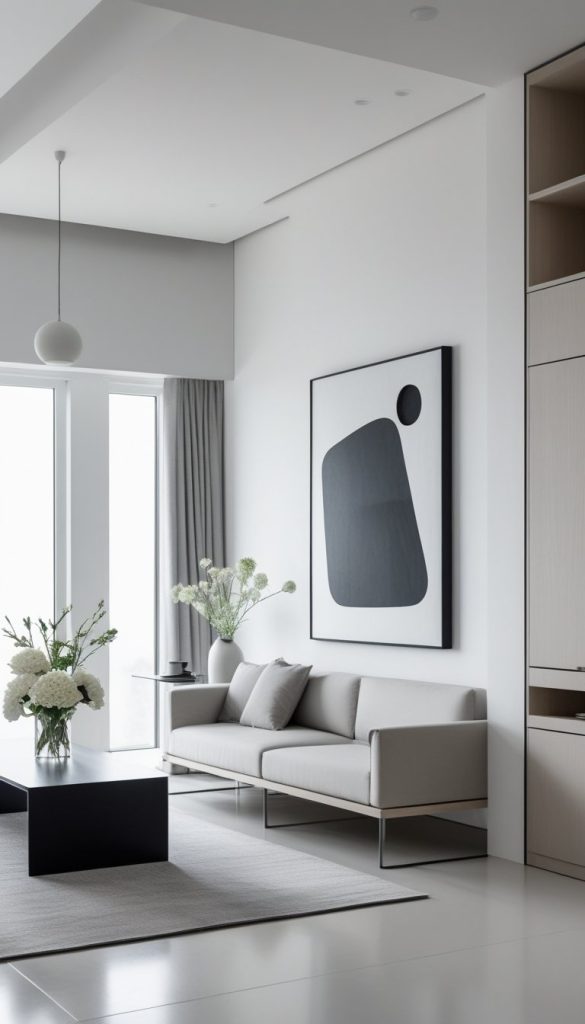
Limit decorative items to a few key pieces, such as a statement vase or framed artwork. Choose furniture with simple shapes and avoid heavy ornamentation. Keep surfaces clear and use hidden storage solutions to reduce visual clutter.
How can I create a focal point in my living room with modern decor elements?

A large piece of wall art or a bold accent wall can anchor the room. A sleek fireplace, oversized mirror, or a sculptural light fixture also works as a centerpiece. Positioning furniture around the focal point strengthens the layout and creates balance.


