How to Set Up a Home Office in a Small Space (Step by Step Guide)
Working from home has become more common than ever, but not everyone has the luxury of a dedicated office room. If you live in a small apartment, a studio, or even a shared home, you may wonder: How can I set up a functional home office in a small space
The good news is that with the right layout, furniture, and organization hacks, you can transform even the tiniest corner into a productive and stylish workspace. This step by step guide will walk you through everything from choosing the right location to selecting the perfect desk, lighting, and storage solutions.
By the end, you will know how to create a compact, clutter free, and inspiring home office that helps you focus and feel comfortable, no matter the size of your space.
Step 1: Choose the Best Location for Your Small Home Office

The first step in setting up a small home office is finding the right spot. It could be a corner in your living room, a section of your bedroom, or even a hallway nook. When space is tight, creativity matters. Think about underused areas like under the stairs, a wide windowsill, or a closet you can convert into a cloffice.
The key is to pick a place with minimal distractions, good ventilation, and enough natural light if possible. If you cannot access a window, choose a spot where you can add layered artificial lighting. Once you have identified the location, measure it carefully to know the maximum desk size and storage solutions you can fit in.
Step 2: Measure and Plan Your Layout

In small spaces, every inch counts. Before buying any furniture, measure the length, width, and height of your chosen area. Use painter’s tape or masking tape to outline where your desk and chair will go. This helps visualize the setup before committing.
Think about traffic flow too. Will your office block a door, window, or walkway? A poorly planned layout can make the space feel cramped and reduce productivity. By planning smartly, you ensure that your desk, chair, and storage units fit perfectly without overwhelming the room.
Step 3: Pick the Right Desk for Small Spaces
Your desk is the heart of your home office, so choosing the right one is essential. For small spaces, consider space saving desk designs such as
- Wall mounted desks that fold down when not in use

- Ladder desks that combine shelves with a slim work surface

- Corner desks that maximize unused nooks

- Narrow writing desks with clean, minimal lines

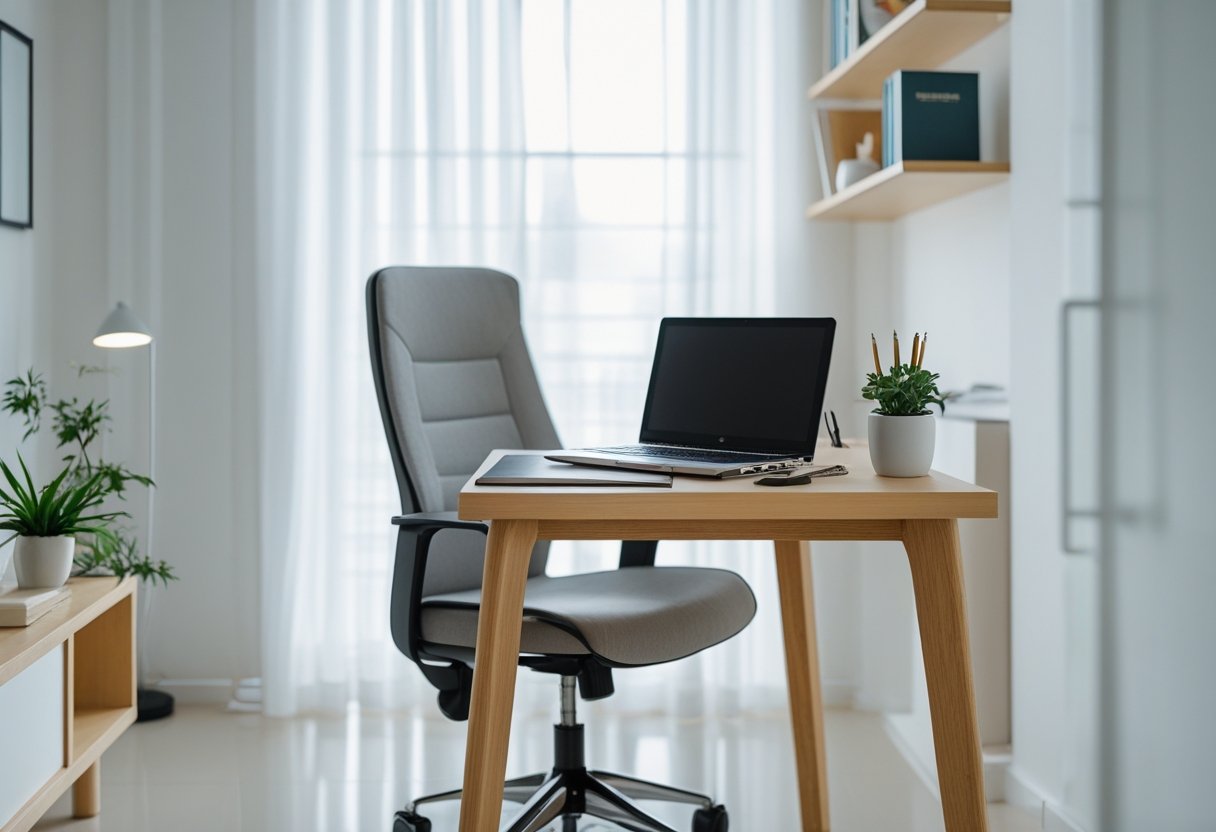
Avoid oversized executive desks. Instead, pick a desk with integrated storage or cable management. The right desk balances form and function, giving you a work surface without consuming too much space.
Step 4: Select a Comfortable but Compact Chair

A comfortable chair is non negotiable if you spend long hours working. However, large office chairs with bulky arms can overwhelm small rooms. Instead, choose ergonomic chairs with slim profiles or even stylish armless chairs that tuck neatly under the desk.
For ultra small spaces, consider foldable chairs or stools that can be stored away after work. Look for features like lumbar support, adjustable height, and breathable fabric to maintain comfort without sacrificing style.
Step 5: Maximize Storage with Smart Solutions
Storage is often the biggest challenge in small home offices. Piles of papers and cables can quickly turn your workspace into chaos. Instead of bulky cabinets, use
- Floating shelves above the desk for vertical storage

- Wall grids or pegboards for office supplies

- Under desk rolling carts for files and accessories

- Drawer organizers for keeping essentials tidy

By going vertical and using multipurpose furniture, you will keep your office clutter free, organized, and efficient.
Step 6: Optimize Lighting for Productivity
Good lighting is not just about visibility. It also affects mood and focus. Ideally, place your desk near a window for natural light. If that is not possible, combine
- Task lighting such as desk lamps for reading and laptop work

- Ambient lighting with soft overhead or wall sconces

Avoid harsh single source overhead lights as they can cause eye strain. Instead, layered lighting creates a comfortable, well lit environment perfect for working.
Step 7: Keep Technology Compact and Organized

Bulky tech equipment can overwhelm a small office. Opt for slim laptops instead of desktops, wireless keyboards and mice, and compact printers. For people who need dual screens, consider a slim monitor arm that mounts to the wall or desk, saving surface space.

Cable clutter is another common issue. Use cable organizers, clips, or cord covers to keep wires out of sight. A clean, tech friendly setup ensures your office feels professional without taking up too much room.
Step 8: Use Multi Functional Furniture
In small offices, furniture needs to do double duty. Instead of separate pieces, look for multi functional options such as
- Murphy bed desks for guest rooms that double as offices
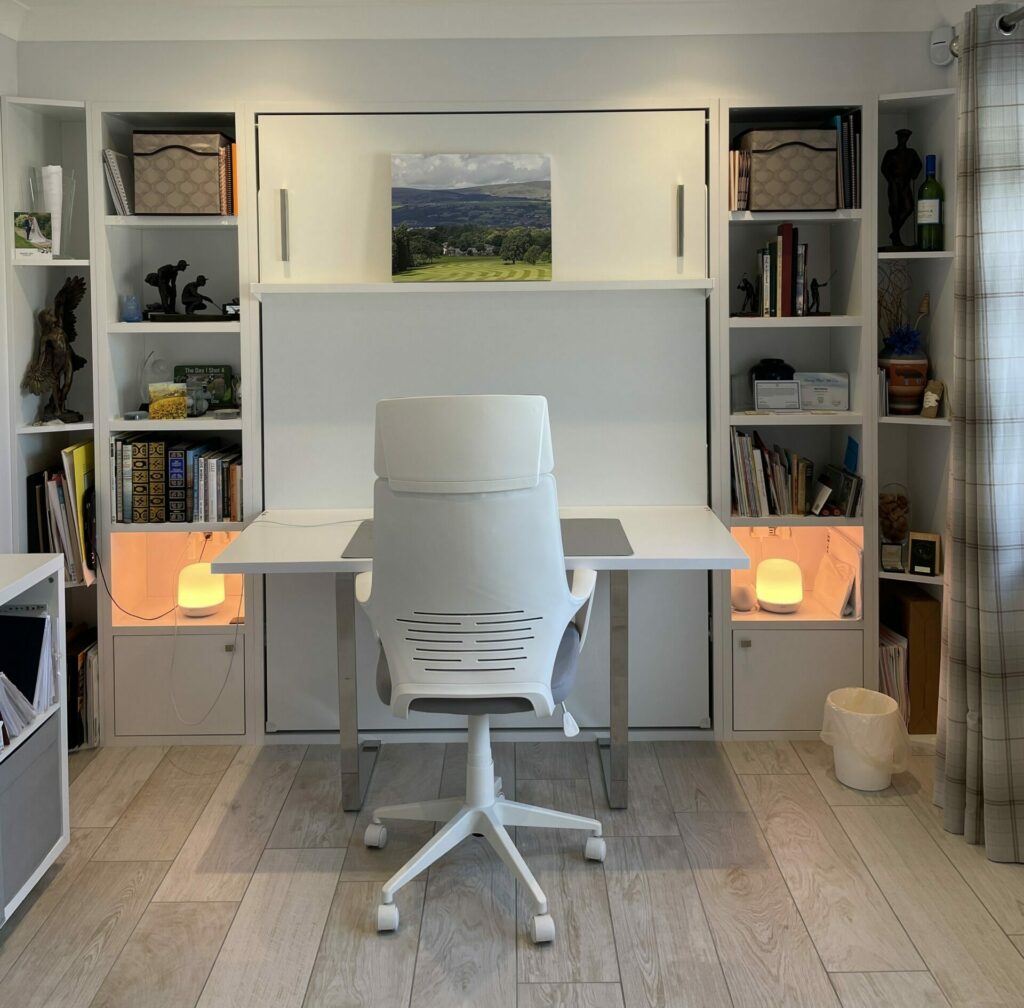
- Convertible desk and shelf units that open when needed

- Ottomans with hidden storage that double as seating

- Folding tables that expand into larger workstations only when required

These pieces ensure your office blends seamlessly into your living space, especially if it is part of a bedroom or living room.
Step 9: Add Personal Style Without Overcrowding

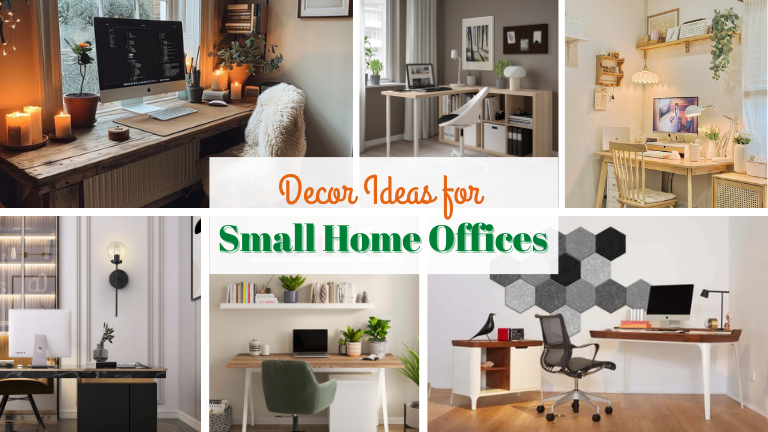
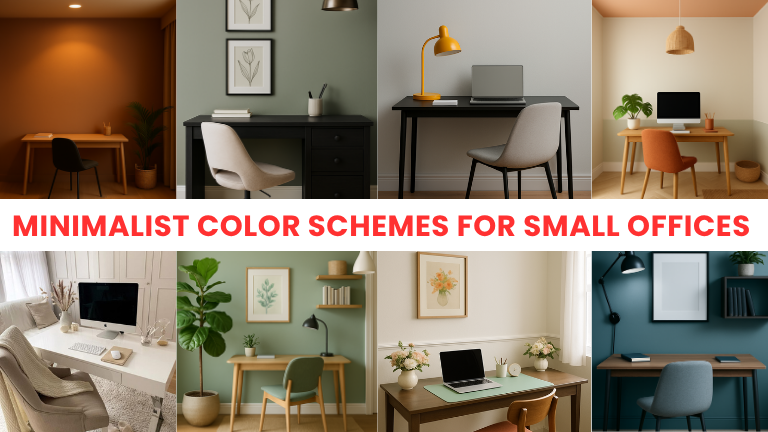
Just because your office is small does not mean it should feel dull. Add a touch of personality with wall art, indoor plants, or decorative organizers. Stick to a cohesive color palette to maintain a sense of openness.
Minimalism works well in small spaces, but you do not have to go sterile. Even one framed print, a stylish lamp, or a potted plant can make the area feel inviting. A beautiful workspace encourages productivity and creativity.
Step 10: Maintain Ergonomics in a Small Setup

One of the biggest mistakes in small home offices is sacrificing comfort. Even in tight spaces, ergonomics matter. Ensure your monitor is at eye level, your chair provides support, and your keyboard is at a comfortable height.
Consider adding a footrest, wrist pad, or monitor riser for long term comfort. Poor posture can lead to back pain, fatigue, and reduced focus, so investing in ergonomic accessories is a must no matter how small your workspace is.
Step 11: Keep Your Space Clutter Free

In small offices, even a little mess can feel overwhelming. Adopt a one in, one out rule. For every new item you add, remove something unnecessary. At the end of each day, spend five minutes tidying your workspace so you start fresh the next morning.
Use organizers, trays, and storage boxes to keep everything in its place. A clutter free workspace reduces stress and makes your office feel larger and more welcoming.
Step 12: Create Work Life Boundaries

When your home and office share the same space, boundaries are essential. If possible, use room dividers, curtains, or shelving units to visually separate your office from your living space.
If you are working from your bedroom, simply facing your desk away from the bed or using a folding screen can create a psychological separation. Clear boundaries help you switch on work mode during office hours and relax after work.
Step 13: Add Plants and Greenery

Adding plants is one of the easiest ways to make a small home office feel fresh and inviting. Compact plants like succulents, snake plants, or pothos are low maintenance and thrive indoors. Not only do plants improve air quality, but they also reduce stress and boost creativity.
Place them on your desk, shelves, or even hang them in wall planters to save floor space. A touch of greenery brings life to even the smallest work area.
Step 14: Stay Flexible and Upgrade as Needed
Finally, remember that your small home office does not have to be perfect from day one. Start with the essentials such as desk, chair, and lighting then slowly add storage, décor, and accessories.
Your needs may change over time, so stay flexible. You may realize a foldable desk works better than a fixed one, or that you need extra shelving as your workload grows. Treat your home office as an evolving project that adapts with you.
Essential Checklist for a Small Home Office Setup
- Compact desk with storage or folding option
- Comfortable ergonomic chair
- Task and ambient lighting
- Cable organizers
- Floating shelves or wall storage
- Minimal yet personal décor
- Plants for freshness
Frequently Asked Questions
Q1: How can I set up a home office if I do not have an extra room
You can convert a corner, closet, hallway nook, or even part of your living room into a functional home office. Use space saving furniture and visual dividers to separate it from your living area.
Q2: What is the smallest space I need for a home office
A desk as small as 24 to 30 inches wide can work for a laptop. With smart vertical storage, you can create an office in as little as 3 to 4 square feet.
Q3: How do I make a small office look bigger
Use light colors, glass desks, mirrors, and minimal décor. Vertical storage also frees up floor space, making the room feel larger.
Q4: Which type of desk is best for small home offices
Wall mounted desks, ladder desks, and narrow writing desks are excellent choices because they save space while offering enough surface for work.
Q5: How do I stay productive in a small home office
Keep the area clutter free, add good lighting, and set clear work life boundaries. Even small touches like plants and ergonomic chairs boost focus.
Final Thoughts
Setting up a home office in a small space is all about creativity, efficiency, and balance. With the right furniture, layout, and organization, even the tiniest corner can become a productive and inspiring workplace.
Whether you are working full time from home or need a part time workspace, following this step by step guide will help you build an office that saves space, looks stylish, and enhances your focus.
A well designed small home office is not just about fitting furniture into tight spaces. It is about creating an environment where you can thrive, stay motivated, and feel comfortable every day.